 Saudi Arabia
 Kuwait
 Emirates
 Bahrain
 Oman
Oman Qatar
Qatar Iraq
Iraq Libya
Libya Morocco
 Jordan
 Turkey











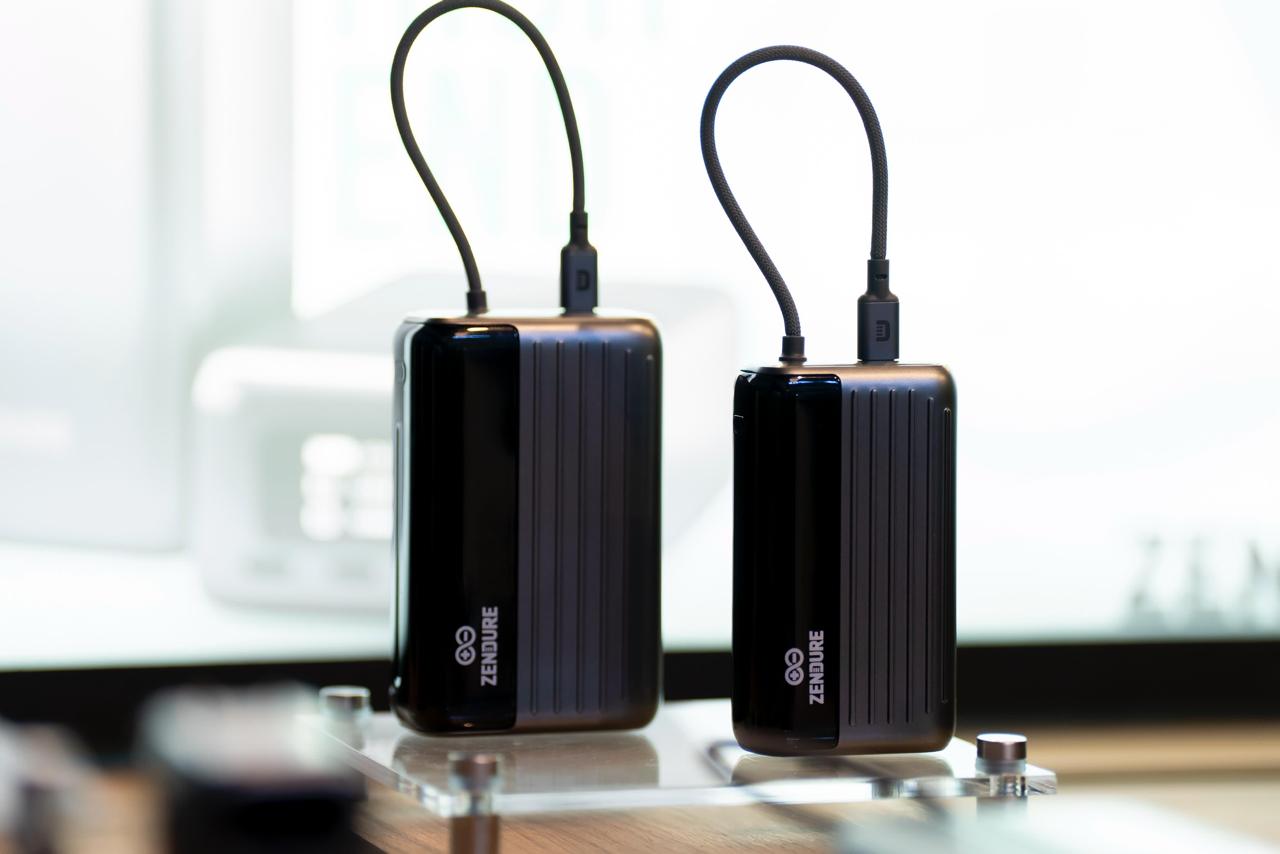
Some users may notice changes in the shape of their power bank over time, such as unusual bulging of the casing or a loss of the device’s normal flat form. This kind of change often raises concern and questions at the same time. It is not merely a cosmetic issue, it is closely related to the condition of the internal battery and its safety for everyday use. With the widespread reliance on power banks in daily life, it becomes essential to distinguish between minor issues that can be managed and serious problems that indicate a real safety risk requiring immediate discontinuation of use. At Gentooshop, we explain what this change means, whether it necessarily indicates the end of the battery’s lifespan, and how to know when it is safe to continue using the device or when replacement is the safest decision.
What Does Power Bank Battery Swelling Mean?
Battery swelling is a problem many users may overlook in its early stages, yet it carries important implications regarding the internal condition of the battery and the chemical reactions occurring inside it. Understanding the meaning of battery swelling helps users assess the level of risk and make the right decision at the appropriate time whether that means continued use or stopping immediately.
Internal Battery Shape Deformation
Power bank swelling refers to abnormal expansion of the battery components due to the accumulation of internal gases caused by unstable chemical reactions. This expansion puts pressure on the outer casing, resulting in noticeable bulging or distortion.
Chemical Imbalance Inside Battery Cells
Swelling occurs when battery cells lose their ability to maintain chemical stability, leading to the buildup of internal byproducts that have no room to escape. This creates increasing internal pressure over time.
Indicator of Reduced Energy Storage Efficiency
Battery swelling is not only a visual issue it often reflects a decline in the battery’s ability to store power efficiently. This is usually accompanied by shorter operating time or unstable charging performance.
Sign of Long Term Battery Stress
Repeated charging cycles and prolonged use gradually stress the battery, damaging internal components. This damage may manifest as visible or tangible swelling.
Early Warning of a Potentially Serious Issue
In many cases, swelling serves as an early alert that a defect may develop into a more dangerous problem if not handled carefully, making monitoring and preventive action essential.
Does Battery Swelling Mean Complete Failure?
Many users wonder whether swelling automatically means the battery has reached the end of its life. The answer depends on the severity of the internal changes, device behavior during use, and how the issue evolves over time.
Not Always Immediate Total Failure
In early stages, a swollen battery may still function, but this does not mean it is operating efficiently or safely. Continued performance is often temporary and gradually declines.
Degree of Swelling Is a Key Factor
Minor swelling without other warning signs may indicate partial remaining efficiency. However, visible or increasing swelling is a strong indicator of advanced damage and unreliability.
Performance Reveals the True Condition
Slower charging, unstable power levels, or sudden shutdowns signal that the battery is no longer fully healthy even if it still appears functional.
Safety Is Not Guaranteed by Operation Alone
A battery may continue supplying power despite internal damage, but this does not mean it is safe. Partial damage can still pose serious risks.
Continued Use Accelerates Deterioration
Ignoring the issue speeds up internal damage, eventually leading to complete failure and making replacement unavoidable rather than precautionary.
Common Causes of Power Bank Swelling
Battery swelling is often the result of multiple overlapping factors rather than a single cause. Understanding these reasons helps prevent future issues and promotes safer usage habits.
Constant Exposure to High Temperatures
Leaving a power bank in hot environments such as inside a car or near heat sources accelerates internal reactions, creating excessive pressure that cells cannot withstand long term.
Using Incompatible Chargers
Power sources that do not match the device’s voltage or current requirements place indirect stress on internal components, leading to structural instability over time.
Overuse Without Cooling Periods
Continuous operation without allowing the device to cool increases thermal and electrical stress, negatively affecting cell stability.
Low Manufacturing Quality
Devices made with inferior materials or outdated technology are less capable of withstanding normal operating conditions, causing premature internal issues.
Improper Long Term Storage
Storing a power bank fully charged or completely drained in unsuitable environments for extended periods leads to internal changes that increase the likelihood of battery failure.
Risks of Continuing to Use a Swollen Power Bank
Using a power bank despite visible swelling can lead to serious consequences affecting both user safety and connected devices.
Increased Risk of Overheating
As internal regulation weakens, the device may overheat significantly during charging or operation, rapidly damaging components.
Potential Damage to Connected Devices
Unstable power output can harm smartphones and electronic devices, affecting batteries and internal circuits over time.
Risk of Chemical Leakage
In advanced cases, internal insulation layers may fail, allowing hazardous substances to leak, especially dangerous in enclosed spaces.
Loss of Charging Control
The power bank may behave unpredictably, such as sudden shutdowns or irregular power delivery, making it unreliable.
Possibility of Fire or Explosion
As internal pressure builds and deterioration continues, the risk of ignition or explosion increases one of the most dangerous outcomes of neglecting this issue.
What to Do If You Notice Power Bank Battery Swelling
When you notice any abnormal change in the shape of your power bank, acting quickly and correctly is essential to avoid potential harm. Staying calm and following recommended safety procedures can significantly reduce risks and help protect you and those around you from unwanted consequences.
Stop Using It Immediately
You should stop using the power bank or connecting it to any device as soon as you notice the issue. Continuing to use it increases internal pressure and greatly raises the risk of danger.
Disconnect It from the Power Source
If the power bank is connected to a charger, unplug it from the power outlet immediately. Do not attempt to complete the charging process, as keeping it connected can worsen the internal fault more rapidly.
Place It in a Safe, Well Ventilated Area
Move the device to a non flammable surface and keep it away from any combustible materials. Make sure the area is well ventilated to reduce potential risks caused by heat buildup.
Avoid Pressing, Opening, or Puncturing It
Do not try to squeeze the casing, open it, or tamper with it using any tools. These actions can cause severe damage or trigger a sudden reaction if the internal components are exposed to air.
Do Not Attempt Self Repair
Lithium batteries are not safe for home repair. Any unprofessional attempt to fix them can lead to serious hazards. They should only be handled according to approved safety standards.
Dispose of It Through Authorized Channels
It is recommended to hand the power bank over to certified battery recycling centers or approved electronic waste collection points, where it will be handled safely in a way that protects both people and the environment.
Consider Replacing It with a Trusted Product
After safely disposing of the damaged device, the safest option is to choose a new power bank from a reputable brand, ensuring it meets approved quality and safety standards. You can find reliable options easily at Gentooshop, where trusted charging solutions are always available.
Best Power Banks Available at Gentooshop
Goui - Sigo 10 Power Bank 10,000mAh
-
including smartphones, tablets, DVD players, gaming devices, Bluetooth accessories, and MP3/MP4 players.
-
Designed with advanced safety protection systems
-
Capacity: 10,000mAh
-
Power Output: 38.5W
-
Input (Type-C1): DC 5V / 3A
-
Output (Type-A1): DC 5V / 3A
-
Output (Type-C1 & Type-C2): DC 5V / 3A each
-
Total Output: DC 5V / 3A
-
Safety Standard (V0): Fire-resistant
Zendure SuperMini 10,000mAh PD Power Bank - Blue
-
Brand: Zendure
-
Category: Portable Charger
-
Capacity: 10,000mAh
-
Input: USB-C
-
Output: USB-C / USB-A
-
Dimensions: 3.1 × 2.22 × 1 inches (79 × 56 × 26 mm)
-
Weight: 6.35 oz / 180 g
-
Size: Ultra-compact portable power bank
-
Fast Charging: PD technology up to 18W
Goui - Best 35W Power Bank
-
Power Delivery (PD) Technology
-
Qualcomm Quick Charge 3.0
-
Input (Type-C1 & Type-C2):
DC 5V/3A, 9V/3A, 12V/3A, 15V/2.33A, 20V/1.75A – 35W -
Output (Type-C1 & Type-C2):
DC 5V/3A, 9V/3A, 12V/3A, 15V/2.33A, 20V/1.75A – 35W -
Output (Type-A1):
DC 5V/3A, 9V/2A, 10V/2.25A, 12V/1.5A – 22.5W -
Total Output: 15W Max
-
Digital Display
-
Cable Included
Frequently Asked Question
Can swelling appear suddenly without warning?
Yes. In some cases, swelling may occur unexpectedly if internal damage develops silently over time due to improper usage conditions.
Does daily usage affect power bank safety?
Absolutely. High heat or humidity environments significantly accelerate internal deterioration and increase the risk of structural issues.
Does higher capacity mean higher risk?
Capacity alone is not the deciding factor, but higher capacity power banks contain more cells making early detection of any defect especially important.